Bird Watching Tour
Overview
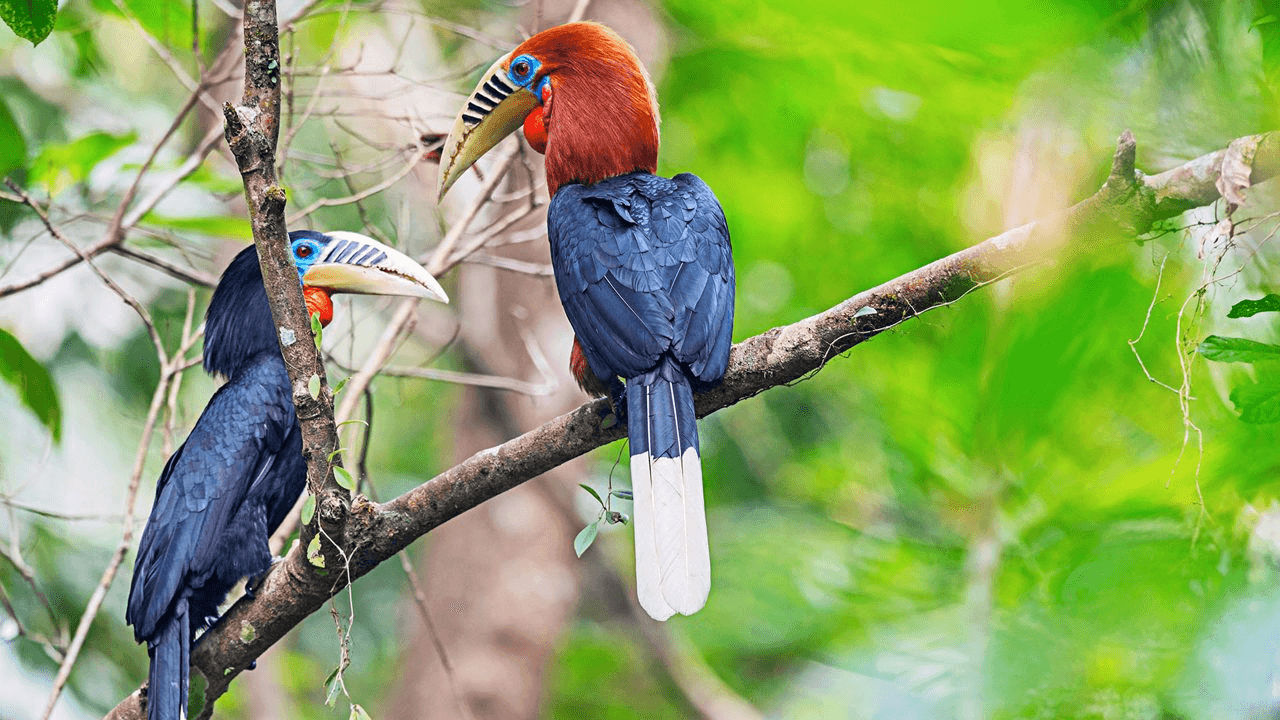
A comprehensive 14-day expedition through Bhutan's premier birding hotspots. From the high-altitude passes of Chele La to the subtropical jungles of Manas, witness an incredible diversity of avian life including the rare White-bellied Heron and Ward's Trogon.
This itinerary is designed to give you a comprehensive experience of Bhutan's unique culture and stunning landscapes.
Highlights
- Spot the endangered White-bellied Heron
- Explore top birding sites like Yongkala and Zhemgang
- Observe the Black-necked Cranes in Phobjikha
- Discover rare Himalayan pheasants and hornbills
What's Included
- Expert birding guide
- High-quality spotting scopes
- 3-star accommodation & meals
Places Visited
Itinerary
Day 1: Arrival In Paro
Welcome to Bhutan! Your specialist birding guide will meet you at Paro Airport. Even the drive to the hotel can yield sightings. After check-in, head to the banks of the Paro Chhu river. The rocky riverbed is the prime habitat for the unique Ibisbill, Brown Dipper, and White-capped Water Redstart. Scan the bushes for Black-tailed Crake. It's an easy start to acclimatize.
Day 2: Birding In Paro (Chele La)
An early start for a drive to Chele La Pass (3,988m), the highest point of the tour. The alpine meadows and fir forests here are home to high-altitude specialties. The main target is the stunning Himalayan Monal, often seen at dawn. Also look for Blood Pheasant, Kalij Pheasant, and the rare Satyr Tragopan. Other species include Spotted Laughingthrush and White-browed Rosefinch. Picnic breakfast on the mountain.
Day 3: Paro - Thimphu
Drive to Thimphu (1.5 hrs). Stop at the dramatic sheer cliffs en route to scan for Wallcreepers. In Thimphu, visit the sewage ponds (an surprisingly excellent birding spot!) to see Ruddy Shelduck, River Lapwing, and various migratory waders. Later, bird in the Motithang forests for Spotted Nutcracker, Rufous-bellied Woodpecker, and various Tits and Warblers.
Day 4: Thimphu - Punakha
Drive up to Dochula Pass (3,100m). The mixed forests on the east side are incredibly rich. Look for the colorful Fire-tailed Myzornis, Rufous-gorgeted Flycatcher, and Ward's Trogon. Descend into the warm, subtropical Punakha region. The change in altitude brings different species like the Great Barbet and Blue-throated Barbet. Search the Mo Chhu river for the critically endangered White-bellied Heron.
Day 5: Punakha - Phobjikha
Morning birding along the Pho Chhu river. Then drive to Phobjikha Valley via the Pele La Pass. This pass is good for Himalayan Griffon and Brown Parrotbill. Arrive in the marshy Phobjikha valley. In winter (Nov-Mar), this is the roosting ground for hundreds of Black-necked Cranes. Even in other seasons, the valley hosts Hen Harrier, Oriental Skylark, and various finches.
Day 6: Phobjikha - Trongsa
Morning walk to spot cranes (in season) or forest birds on the valley flakes. Drive to Trongsa. The dense forests around Trongsa are excellent for Spotted Forktail and Crested Kingfisher. Stop at Chendebji to look for Yellow-rumped Honeyguide near bee hives on cliffs.
Day 7: Trongsa - Zhemgang
Drive south to Zhemgang and Tingtibi, entering the prime birding belt of Bhutan. The warm broadleaf forests here are teeming with life. This is the best place to find the majestic Rufous-necked Hornbill and the Beautiful Nuthatch. Look out for the Golden Langur monkey, endemic to this region, often seen in the same trees.
Day 8: Birding Tingtibi & Manas
Explore the road towards Royal Manas National Park. This low-altitude area (around 600m) offers species found nowhere else in Bhutan. key targets include the Great Hornbill, Wreathed Hornbill, and the rare White-bellied Heron on the Mangde Chhu rocks. Look for Pallas's Fish Eagle soaring above the river. The bird list here is extensive and includes bee-eaters, rollers, and drongos.
Day 9: Tingtibi Exploration
Another full day in this birding paradise. Focus on the bamboo patches to find shy species like the White-hooded Babbler, Greater Rufous-headed Parrotbill, and Pale-headed Woodpecker. The area is also known for varied flycatchers and warblers. Night birding might reveal owls like the Brown Wood Owl or Spot-bellied Eagle-owl.
Day 10: Tingtibi - Trongsa
Final morning birding in Tingtibi to pick up any missed species. Then begin the drive back up to the cooler highlands of Trongsa. The ascent offers a second chance to spot birds at intermediate altitudes. Stop at waterfalls to look for Little Forktail.
Day 11: Trongsa - Bumthang
Drive over Yotong La Pass to Bumthang. The bamboo undergrowth at the pass is the habitat of the Great Parrotbill and Fulvous Parrotbill. Descend into the pine forests of Bumthang. Look for Ibisbill in the Chamkhar Chhu river and Red-billed Choughs in the fields.
Day 12: Bumthang (Tharpaling)
Drive to Tharpaling Monastery for a special pheasant quest. The monks feed the birds here, making it one of the best places to see Himalayan Monal and Satyr Tragopan at close range. It's a photographer's dream. Spend the rest of the day exploring the valley's cultural sites and birding in the blue pine forests.
Day 13: Bumthang - Paro
Take the domestic flight from Bumthang to Paro (25 mins) to save a long driving day, offering aerial views of the mountains (flight cost extra, otherwise long drive). If flying, arrive in Paro with time for afternoon shopping or a visit to the National Museum. If driving, it's a full day journey. Final celebratory dinner.
Day 14: Departure
Transfer to Paro Airport. As you fly out, keep an eye on the window—you might just spot a Lammergeier soaring one last time. Tashi Delek!
Ready to Book?
Contact us for a personalized quote.