A Kingdom Like No Other
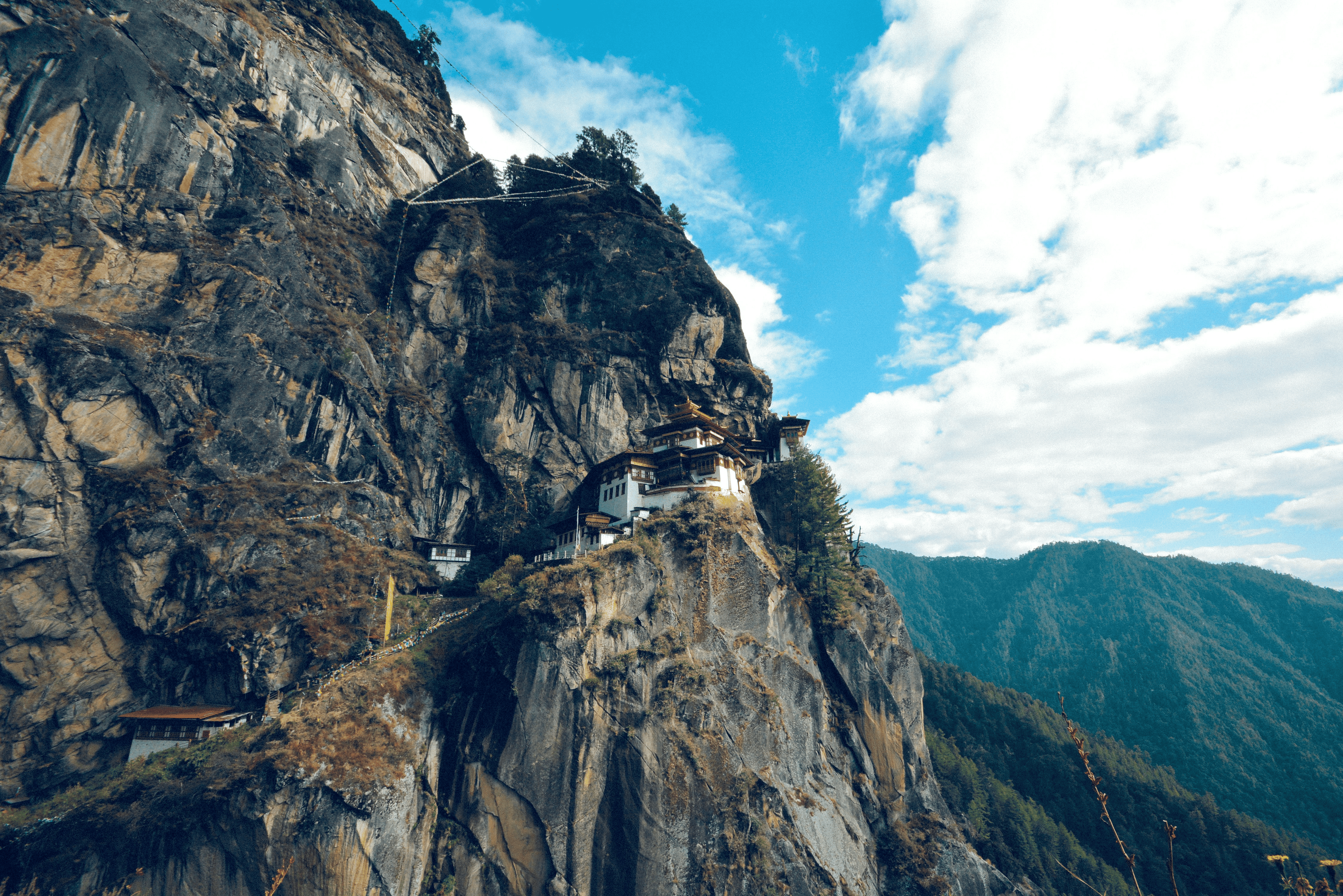
Bhutan, often revered as the glorious "Last Shangri-La", represents the last surviving Mahayana Buddhist Kingdom in the Himalayas. Hidden away in the folds of the mighty eastern Himalayas, it is a country where ancient traditions and a unique philosophy of life thrive in the modern world.
Known to the locals as Druk Yul (Land of the Thunder Dragon), Bhutan is a place where the environment is fiercely protected, culture is preserved, and Gross National Happiness is more important than Gross National Domestic Product.
Quick Facts
Capital
Thimphu
Population
~780,000
Language
Dzongkha
National Flower
Blue Poppy
"Happiness is a Place"
Gross National Happiness
"Gross National Happiness is more important than Gross National Product."
— His Majesty the Fourth King of Bhutan
Bhutan's development philosophy is guided by the principle of Gross National Happiness (GNH). It emphasizes that sustainable development should take a holistic approach towards notions of progress and give equal importance to non-economic aspects of wellbeing.
1. Sustainable Development
Equitable socio-economic development.
2. Cultural Preservation
Promotion of cultural values.
3. Environmental Conservation
Preservation of natural environment.
4. Good Governance
Establishment of good governance.
Culture & Festivals
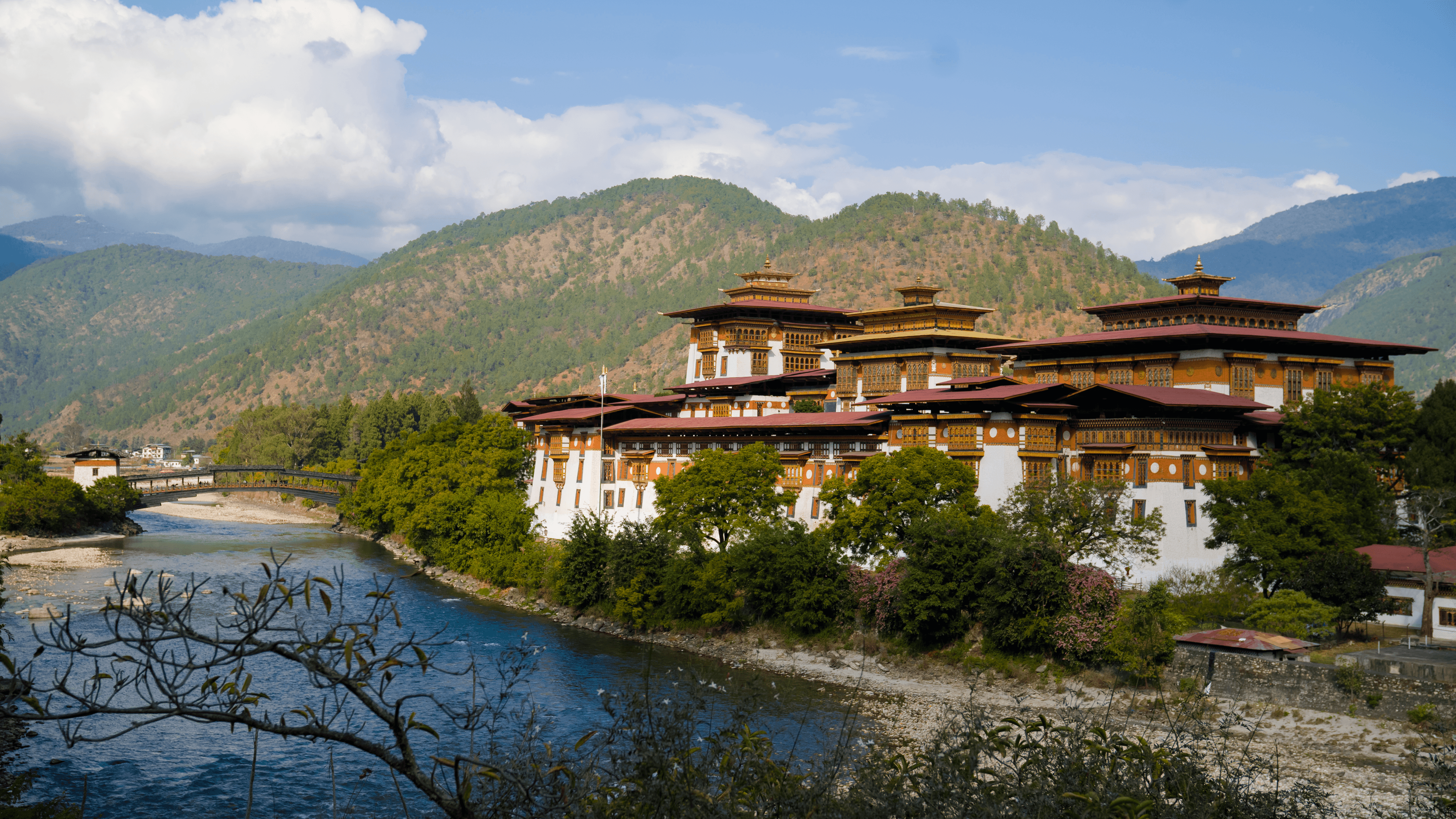
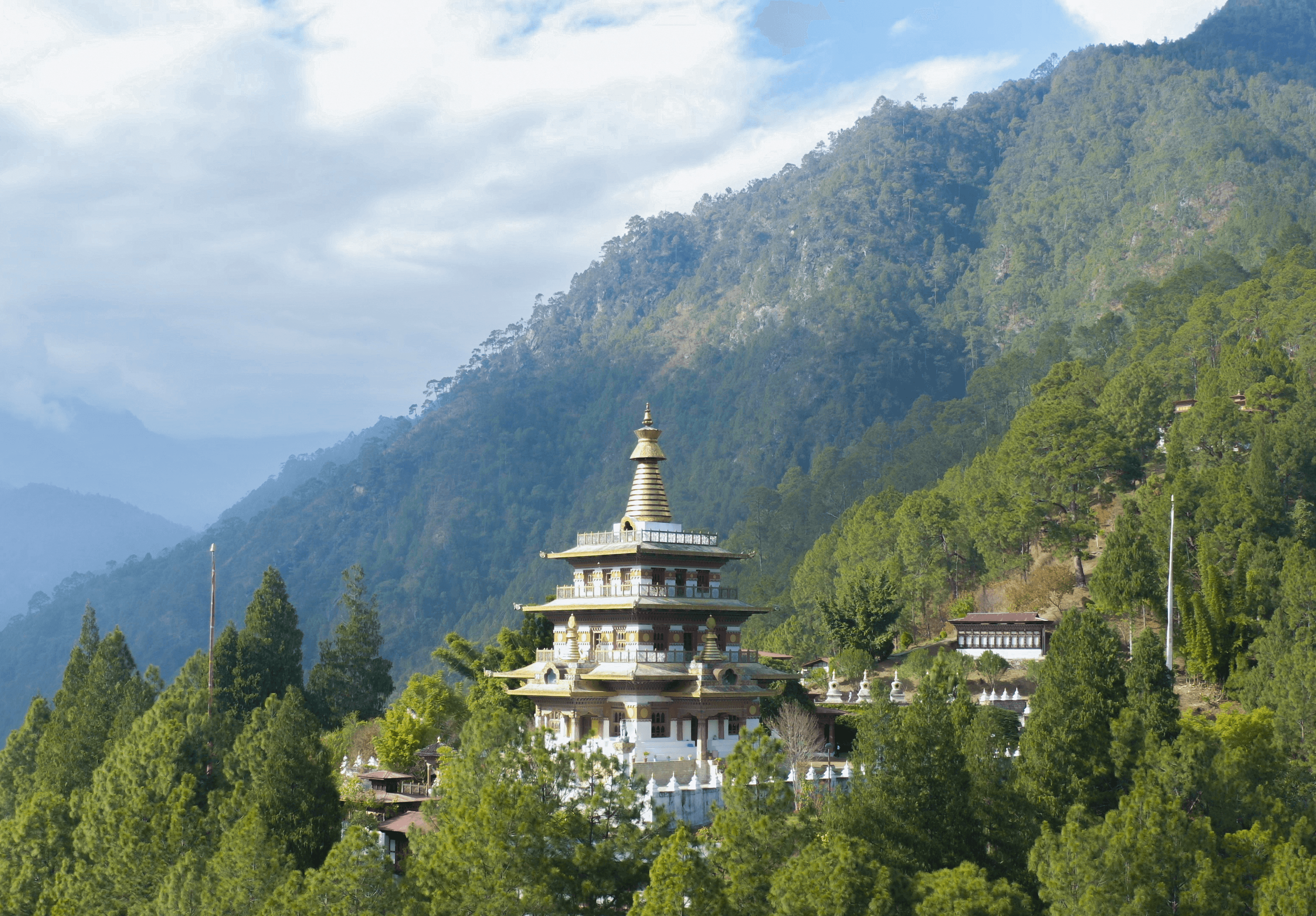
Bhutanese culture is deeply rooted in Vajrayana Buddhism. This shapes every aspect of life, from the architecture of our Dzongs (fortresses) to the colors of our national dress.
The highlight of the Bhutanese calendar are the Tshechus (festivals), where mask dances invoke deities and bless the onlookers. It is a riot of color, music, and spiritual energy.
Geography & Nature
Bhutan is a biodiversity hotspot. With 72% forest coverage, it is the world's first carbon-negative country. From the subtropical jungles of the south to the snow-capped peaks of the north (some over 7,000m and unclimbed), the landscape is dramatic and pristine.
It is home to rare species like the Bengal Tiger, Snow Leopard, Black-Necked Crane, and the Takin (our national animal).