About Trashiyangtse
Trashiyangtse, located in the far northeastern corner of Bhutan at an altitude of approximately 1,750 meters (5,741 feet), is a district of profound spiritual significance, natural beauty, and artistic heritage. Historically, it was a major trade route between eastern Bhutan and the Tawang region of Arunachal Pradesh in India. Today, it remains a tranquil and culturally rich destination that offers a unique glimpse into the traditional lifestyle and spiritual devotions of the Bhutanese people.
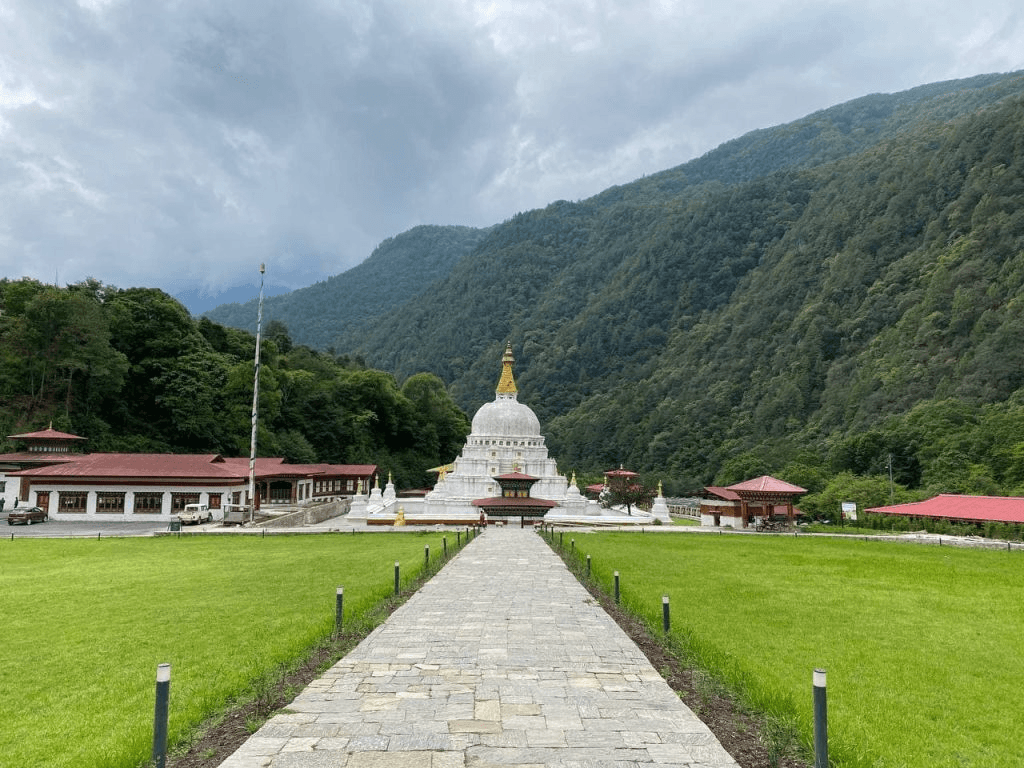
The most iconic landmark in the district is the Chorten Kora, a magnificent stupa modeled after the Boudhanath stupa in Nepal. Built in 1740 by Lama Ngawang Loday, the chorten was constructed to subdue a local demon and has since become one of the most sacred pilgrimage sites in eastern Bhutan. Every year, two major festivals (Kora) are held here, drawing thousands of pilgrims from across Bhutan and even from the neighboring Tawang region in India. The sight of hundreds of people circumambulating the white-washed stupa, spinning prayer wheels and chanting mantras, is a powerful testament to the region's deep-seated faith.
Beyond its spiritual landmarks, Trashiyangtse is a haven for nature lovers. The Bomdeling Wildlife Sanctuary, which covers a large portion of the district, is the winter home of the rare and endangered Black-necked Cranes. These graceful birds migrate from the Tibetan Plateau to the sanctuary's marshlands every autumn, staying until early spring. The sanctuary is also home to a diverse array of other wildlife, including snow leopards, tigers, and red pandas, as well as over 300 species of birds. The pristine landscapes of Bomdeling, with its lush forests and clear mountain streams, offer numerous opportunities for trekking and birdwatching.
Trashiyangtse is also renowned for its rich artistic traditions, particularly in the field of woodcarving. The district is home to the School of Traditional Arts (Zorig Chusum), where young artists are trained in the 13 traditional arts and crafts of Bhutan. The region is particularly famous for its 'Shagzo' or woodturning, producing high-quality wooden bowls and containers that are prized throughout the country. Visiting the local workshops and watching the skilled artisans at work is a fascinating experience that reveals the dedication and precision required to maintain Bhutan's artistic legacy.
The district's geography is characterized by steep, forested mountains and narrow, fertile valleys. The Kholong Chhu river flows through the heart of the valley, providing water for the rice and maize fields that line its banks. The region is also dotted with several ancient monasteries and temples, such as the Rigsum Goemba, which sits on a ridge overlooking the valley and offers spectacular views of the surrounding peaks.
In conclusion, Trashiyangtse is a destination that captures the very essence of eastern Bhutan – a blend of profound spirituality, untouched natural beauty, and a vibrant artistic heritage. Its sacred stupas, rare wildlife, and talented artisans make it a truly unique and unforgettable place to visit. Whether you are participating in a sacred kora at Chorten Kora, spotting cranes in the Bomdeling marshes, or exploring the traditional workshops of local woodcarvers, Trashiyangtse offers a journey into a world of peace, beauty, and ancient tradition.
Must-Visit Places
- Chorten Kora
- Bomdeling Wildlife Sanctuary
- School of Traditional Arts
- Rigsum Goemba
- Iron Chain Bridge
- Gomphu Kora