About Paro
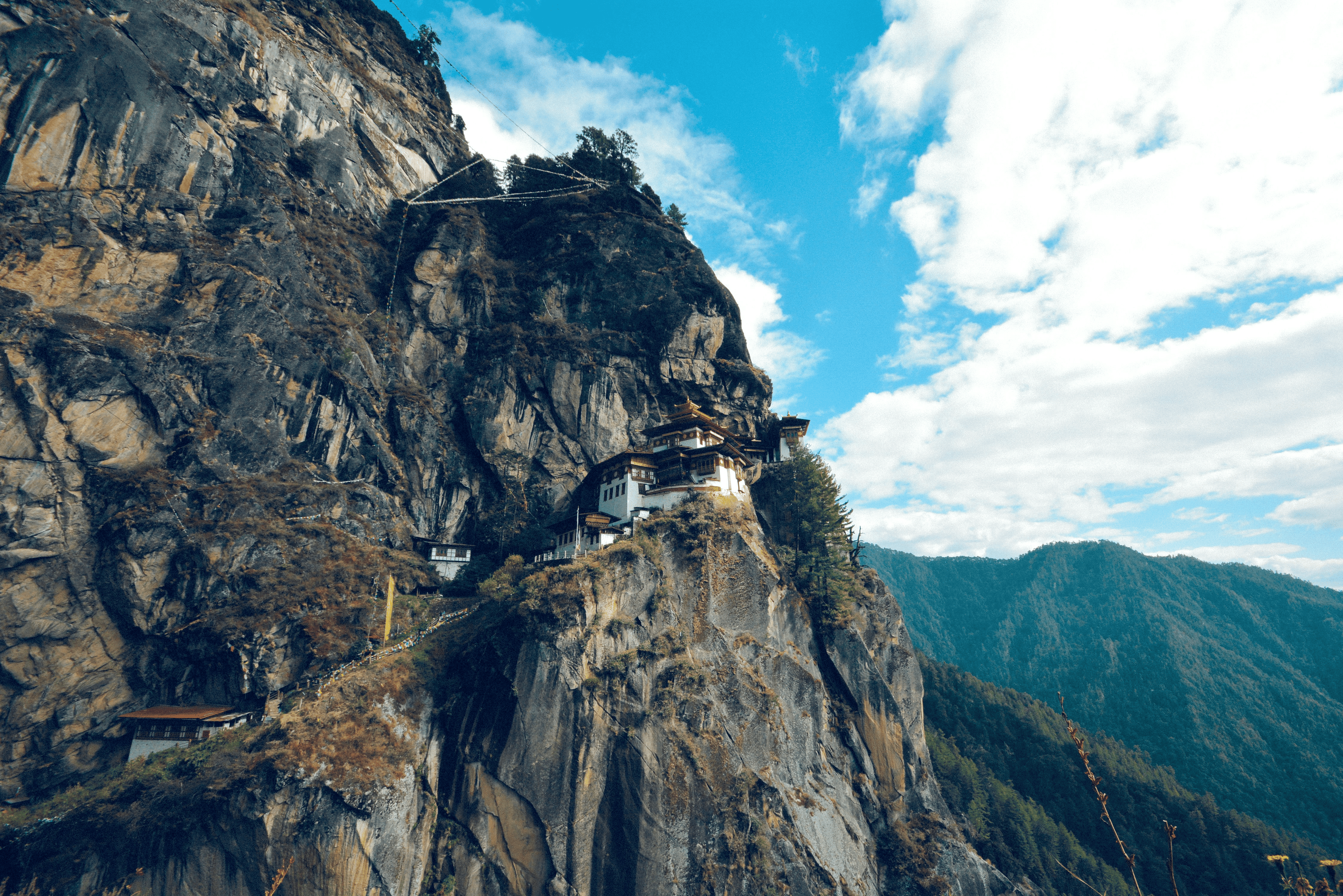
Paro is one of the most beautiful and historic valleys in Bhutan. It is the site of the country's only international airport and serves as the primary gateway for almost all international visitors. The valley is home to over 155 temples and monasteries, some dating back to the 14th century, and Bhutan’s most iconic landmark, the Taktsang Lhakhang or Tiger’s Nest Monastery.
The history of Paro is deeply intertwined with the introduction of Buddhism to Bhutan. It was in this valley that Guru Padmasambhava, the great saint who brought Buddhism to the Himalayas, is said to have landed on the back of a flying tigress in the 8th century. He spent three months meditating in a cave, which is now the site of the Tiger’s Nest Monastery. This sacred site, perched precariously on a cliff 900 meters above the valley floor, is a pilgrimage destination for every Bhutanese and a must-visit for every traveler.
Beyond the Tiger’s Nest, Paro offers a wealth of cultural and historical treasures. The Rinpung Dzong, or 'Fortress on a Heap of Jewels,' stands majestically over the Paro Chhu (river). This massive structure serves as both a religious and administrative center, housing the district’s monastic body and local government offices. Just above the Dzong is the Ta Dzong, an ancient watchtower that has been converted into the National Museum of Bhutan. The museum houses a fascinating collection of traditional art, thangkas, weapons, and natural history specimens.
The town of Paro itself is a charming blend of traditional architecture and modern convenience. The main street is lined with beautifully painted shops and restaurants, many of which specialize in traditional Bhutanese textiles and handicrafts. Walking through the town, you’ll encounter locals in their national dress, monks in their deep red robes, and a palpable sense of peace and tradition.
For those interested in agriculture, the Paro valley is one of the most fertile in Bhutan. It is famous for its red rice, which is grown in the vast, terraced fields that line the valley floor. The changing seasons paint the valley in different hues, from the vibrant green of the young rice plants in summer to the golden yellow of the harvest in autumn.
Geographically, Paro is situated at an altitude of approximately 2,280 meters (7,478 feet). The climate is temperate, with cool winters and pleasant summers. The surrounding mountains offer numerous opportunities for trekking and day hikes, including the popular trek to the Chele La Pass, the highest motorable road in Bhutan, which offers stunning views of Mount Jomolhari and Jichu Drake.
In conclusion, Paro is more than just an entry point; it is the spiritual and cultural heart of western Bhutan. Its combination of natural beauty, ancient tradition, and profound spirituality makes it an unforgettable destination that captures the very essence of the Himalayan kingdom. Visitors often find that the peace and tranquility of the valley stay with them long after they have returned home.
Must-Visit Places
- Tiger's Nest Monastery (Taktsang)
- Rinpung Dzong
- National Museum of Bhutan
- Kyichu Lhakhang
- Paro Town Market